Trainings, workshops, and clinical practice for professionals working with caregivers and children with developmental disabilities — grounded in research, not just theory.
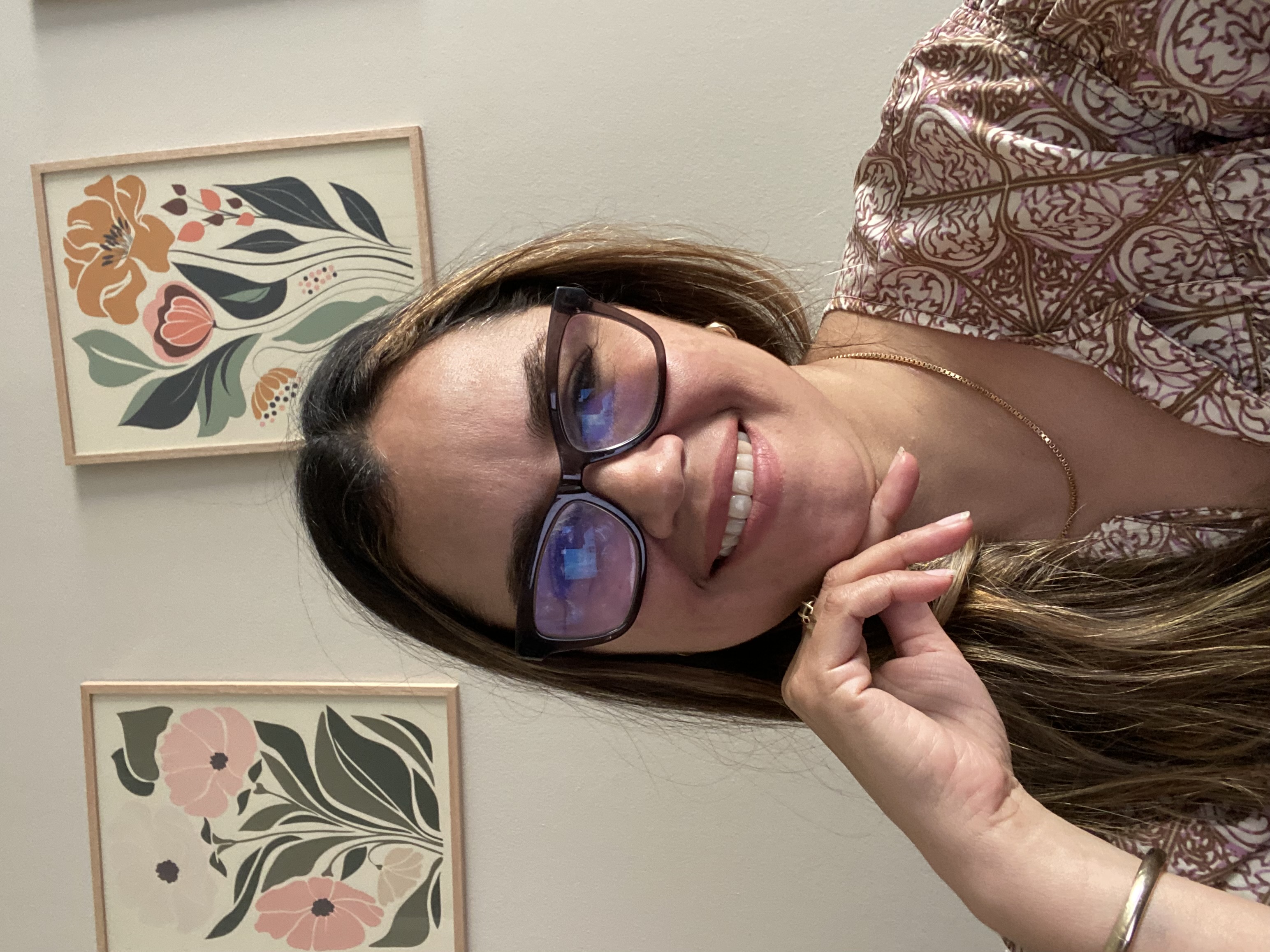
Zuleida Aleman-Herba, PhD, LMHC, BC-TMH
Dr. Aleman-Herba is a licensed mental health counselor and core faculty of Clinical Counseling and Rehabilitation at Salve Regina University, and an alumna of Lesley University in Cambridge, MA. She has practiced counseling since 2009 across substance use, drug court, community, and private practice settings — working with individuals, couples, families, caregivers, LGBTQ+ clients, and people with medical, sensory, and neurodivergent needs.
Her clinical approach is integrative, drawing on person-centered, disability-affirming, and trauma-informed work, alongside Emotion-Focused Therapy, the Gottman Method, EMDR, Cognitive Behavioral Therapy, and Dialectical Behavior Therapy — always shaped around the person in front of her rather than a fixed protocol.
"What motivated this research was the intersection of lived experience and professional inquiry."
That intersection — personal experience as a caregiver and years of clinical practice — led to her original research, They Don't Get It: Caregivers of Children with Developmental Disabilities and Social Support, which now grounds the trainings she offers to other professionals.
Alongside her research and trainings, Dr. Aleman-Herba maintains a private practice with a broader focus — working primarily with women navigating their most significant relationships, whether with themselves, a partner, or their family.
Support for women navigating identity, transitions, and relationship patterns.
Using the Gottman Method and Emotion-Focused Therapy to help partners rebuild connection.
Guidance for families navigating disability, caregiving roles, or major transitions.
Trainings are built on the Disability Affirming Practice (DA-T) framework, which treats disability as a social construct shaped by environment and access — not a defect to be fixed. It draws on the WHO's bio-psycho-social model and keeps the person, not the diagnosis, directing the pace and priorities of care.
Each session is designed for mental health professionals and can be delivered as a standalone workshop or paired series for teams, agencies, and graduate programs.
A research-informed look at the experience of caregivers of children with developmental disabilities, combining the existing literature with original qualitative findings.
An orientation to disability history, models, and law for professionals engaging people with disability in any therapeutic or care setting.
A structured framework for assessing where a caregiver is — from treatment coordination through adult services planning — and what's missing around them.
"This workshop gave new insights about the caregiver experience, how to meet them with more empathy, and ways to improve my language and to improve rapport. The sessions built on one another, and it was all very clear! 10/10!"
"This was very informative, especially as I think about my clinical practice with couples, and adjusting therapeutic roles around the identified client who has a disability."
"I'll listen to anything you want to cover! So engaging!"
"Increased appreciation of the many challenges facing families raising & supporting their children with neurodevelopmental disabilities."
Findings echoed the RAISE Family Caregiver's Listening Survey, which named two top concerns: caregiver services & support, and financial well-being. From those conversations came a caregiver's bill of rights — a reminder that caregiving is work that deserves support, not just recognition.
"If you could wave a magic wand and change things for all caregiving mothers, what changes would you make?"
A solution-focused technique used to surface what caregivers actually need — not just what systems assume they need.
The right to an identity and relationships outside of caregiving work.
The right to advocate as an expert with lived experience.
The right to pursue education and careers that build financial security.
The right to have complicated feelings about caregiving in an ableist society.
The right to use lived experience to shape policy and help other families.
Articles and graphics on caregiving, disability-affirming practice, and the research behind the trainings.
What caregiving mothers say they need most — in their own words.
A closer look at each domain of the RESPECTFUL interview model.
Foundational shifts for clinicians rethinking a diagnosis-first approach.
Why paperwork and advocacy are themselves a clinical concern.
The financial cost caregiving research keeps surfacing.
A starting point for reclaiming identity outside of caregiving.
Whether you're scheduling continuing education for a clinical team, a graduate program, or a community organization, send a few details and I'll follow up to talk through fit and scheduling.
I'll follow up within a few business days to talk through details.